Jul 11, 2026
About Our Fragrance Manufacturing Process
About Our Fragrance Manufacturing Process
For B2B buyers, choosing a fragrance supplier is not only about finding a pleasant scent. It is about consistency, application performance, communication efficiency, and the ability to support product development from sample to bulk order.
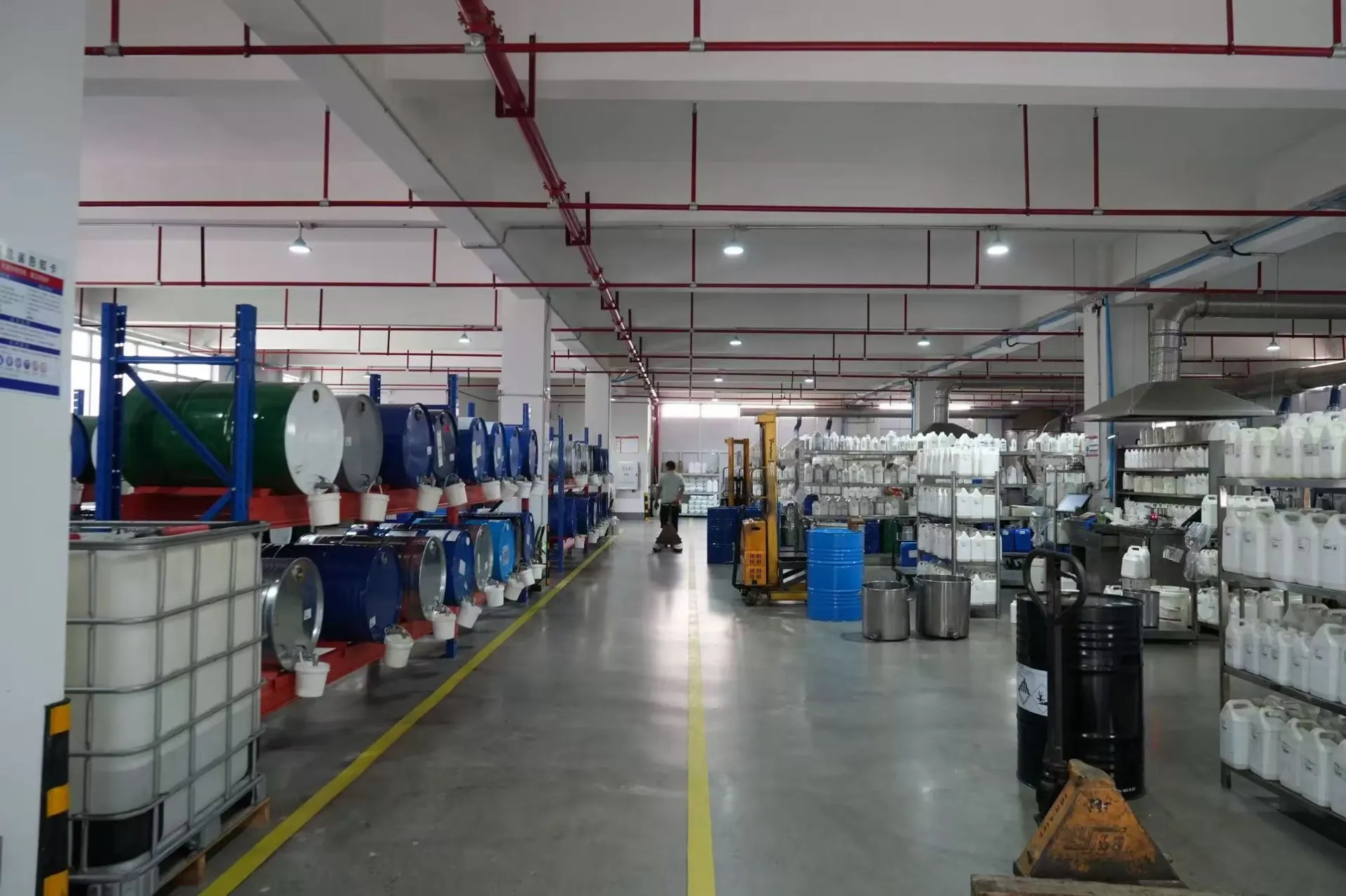
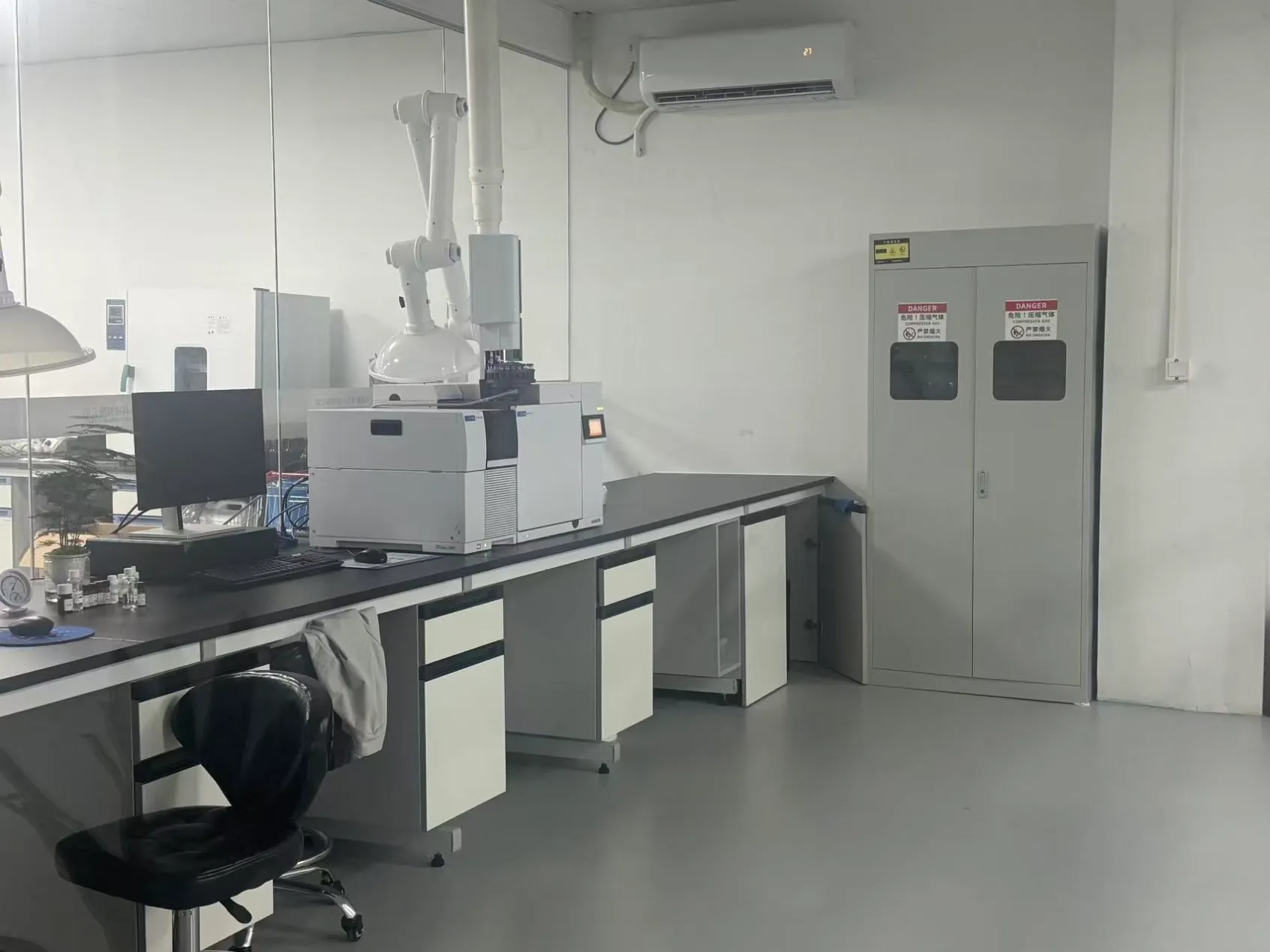
Before bulk production, the approved sample becomes the reference standard. Our production team follows the confirmed formula and process requirements to help maintain batch-to-batch consistency. Depending on the product and customer request, documents such as COA, SDS, IFRA-related information, or allergen details may be provided for further review.
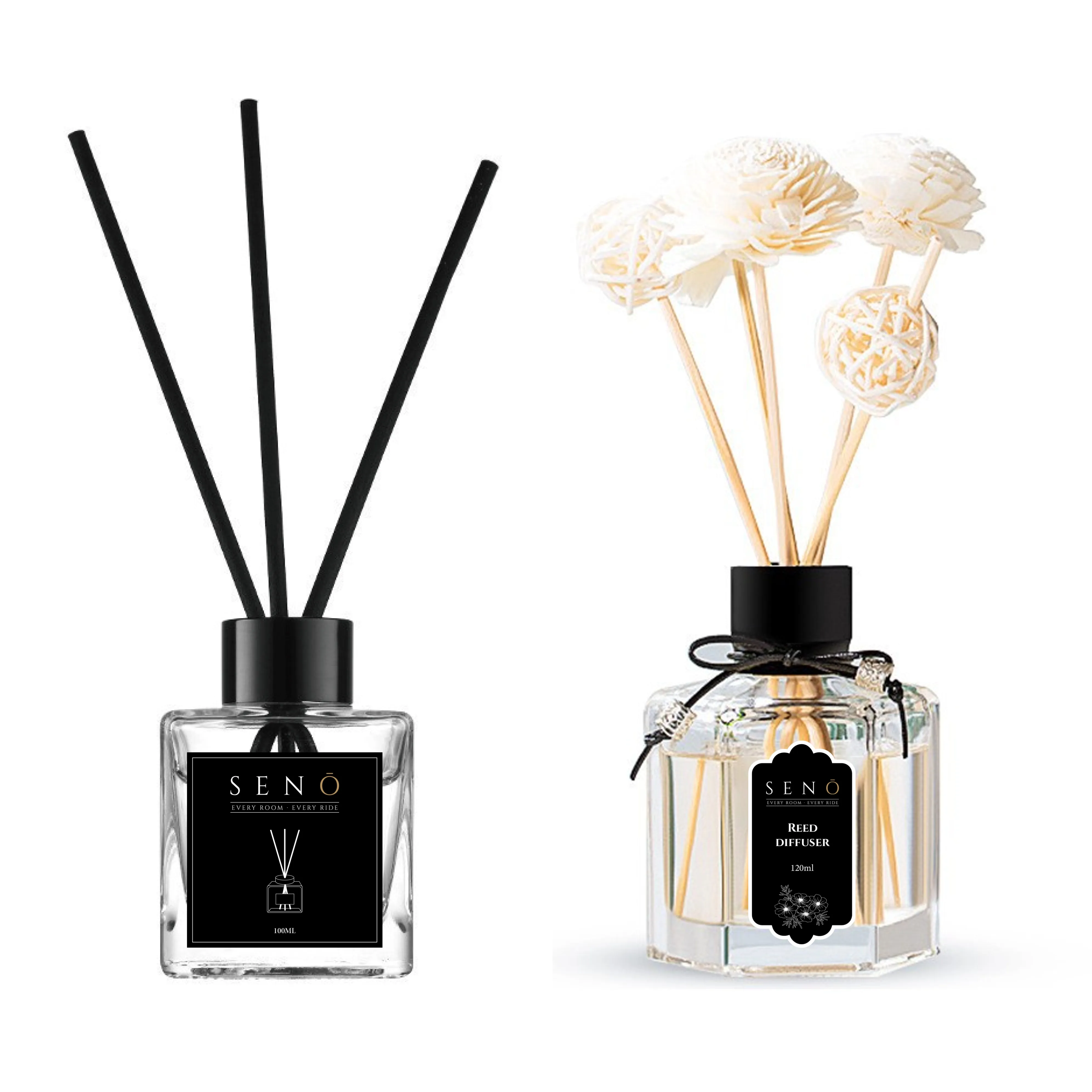
Our goal is simple: to help brands, manufacturers, and product developers turn fragrance ideas into stable, market-ready products. Whether you are developing a perfume line, candle collection, reed diffuser series, or cleaning product fragrance, Everrise Essence works as a fragrance partner behind your finished product.

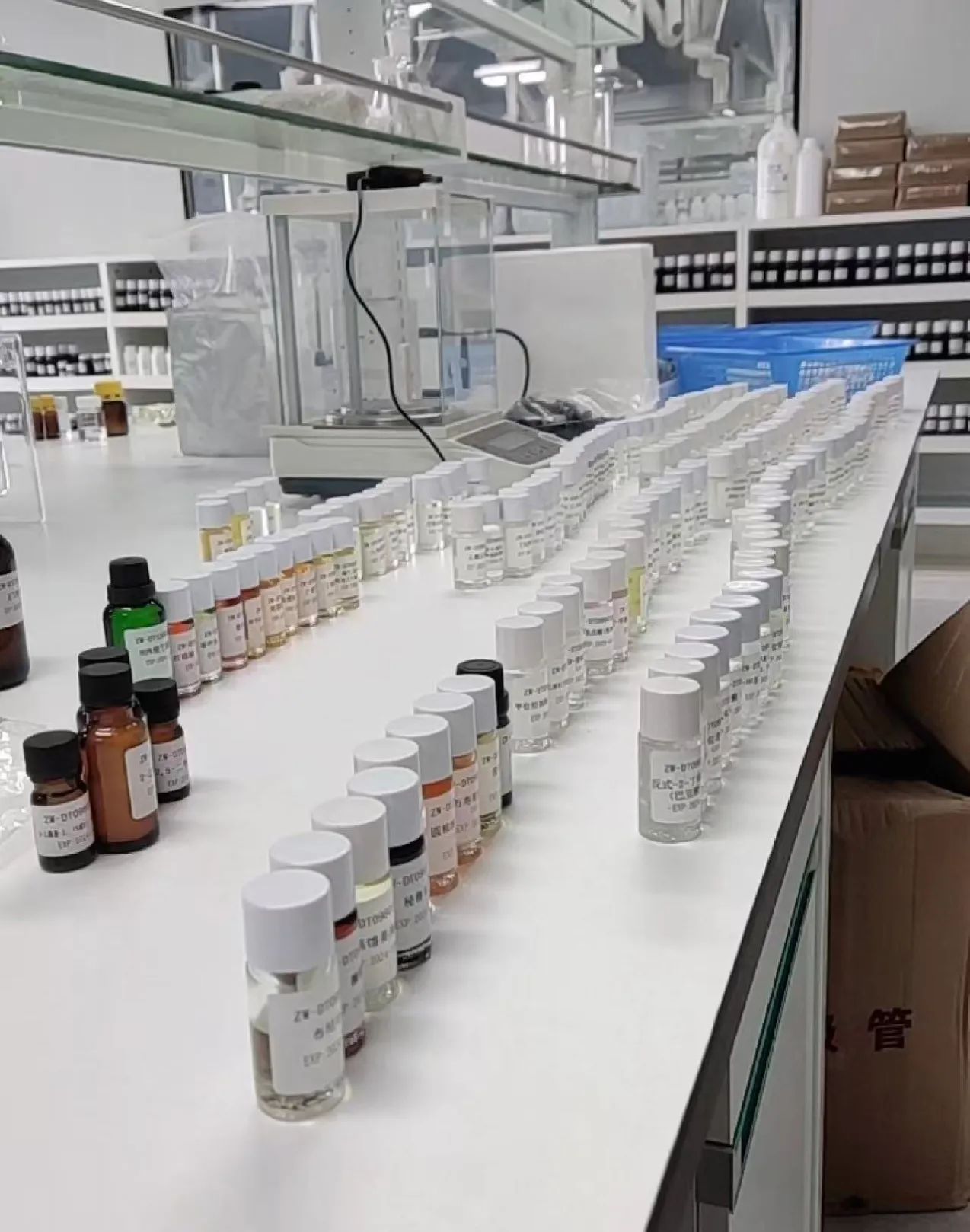


At Everrise Essence, our fragrance manufacturing process begins with understanding the customer’s product application. A fragrance oil for fine fragrance, candle making, reed diffusers, or household cleaning products cannot be evaluated in exactly the same way. Each application has different technical requirements, including stability, diffusion, strength, base compatibility, and target cost.
The first step is brief analysis. We discuss the customer’s product type, target market, fragrance direction, price range, regulatory needs, and expected order volume. This helps us recommend suitable fragrance oils or develop a customized formula more efficiently.
After the brief is confirmed, our fragrance team prepares sample options. These may include existing formulas from our fragrance library or adjusted versions based on the customer’s request. For B2B buyers, sample testing is a key stage because the same fragrance can perform differently in alcohol, wax, diffuser base, detergent, or other finished product systems.
Once the customer selects a preferred direction, we move into application evaluation. For candle fragrance oils, we pay attention to cold throw, hot throw, wax compatibility, and burn performance. For reed diffuser oils, we consider diffusion strength, evaporation balance, and scent longevity. For household and cleaning products, we focus on base stability, odor coverage, and performance after dilution.